Website designed with the B12 website builder. Create your own website today.
Start for free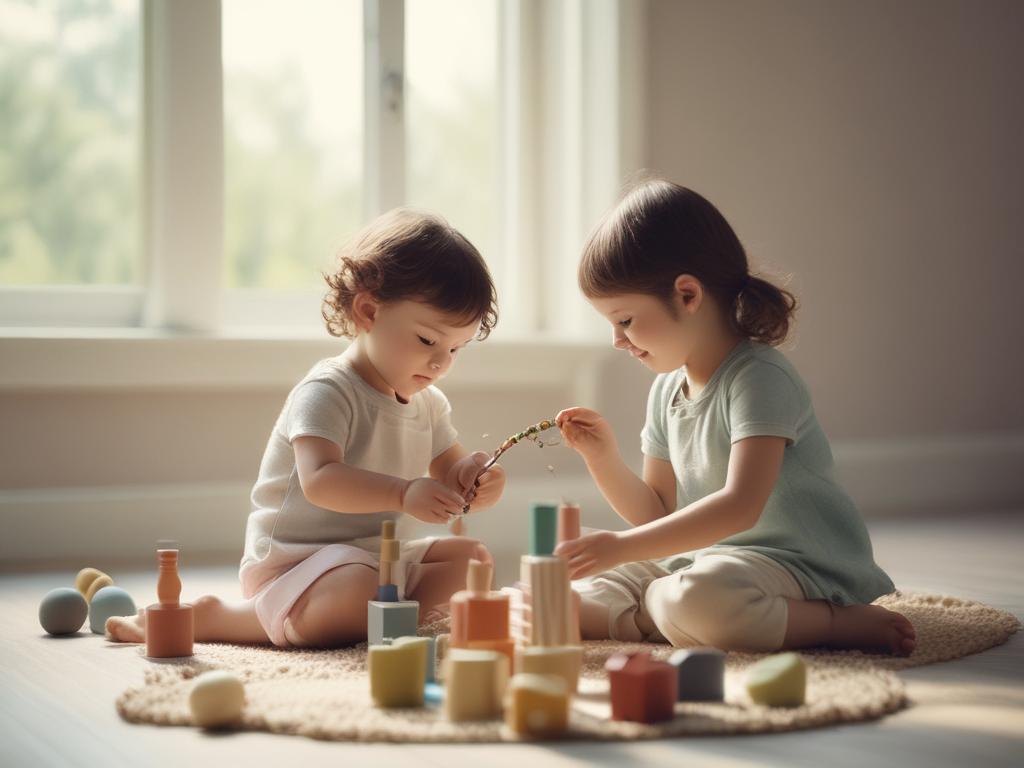
Play is not just a pastime for young children; it is a crucial element that shapes their development in profound ways. Discover how play shapes young minds and fosters essential skills in preschoolers through various activities that stimulate creativity and imagination. Engaging in play allows children to explore their environment, experiment with new ideas, and build a foundation for future learning. By immersing themselves in imaginative scenarios, preschoolers enhance their cognitive abilities while laying the groundwork for problem-solving and critical thinking.
Moreover, play serves as a vital tool in fostering essential social skills among children. It encourages interaction with peers, teaching teamwork, communication, and empathy as they navigate shared experiences. Through spontaneous play, preschoolers learn to express their emotions and understand the feelings of others, promoting emotional development and resilience. By delving into the importance of play in early childhood, we gain insight into how these foundational experiences contribute to the holistic growth of young learners, preparing them for the challenges and joys that lie ahead.
Discover how play shapes young minds through stimulating creativity and imagination
Play serves as a vital catalyst for creativity and imagination in young children. Engaging in imaginative play allows preschoolers to explore different scenarios, experiment with various roles, and express their ideas freely. Whether they are building castles with blocks, creating elaborate stories with friends, or pretending to be their favorite characters, children learn to think outside the box. This kind of playful experimentation nurtures cognitive flexibility, encouraging young minds to approach problems from diverse perspectives.
Additionally, play fosters the development of important cognitive skills, such as critical thinking and reasoning. When children engage in activities like puzzles or role-playing games, they learn to make decisions and solve problems independently. These experiences stimulate their curiosity and drive them to ask questions, explore their environment, and seek out new knowledge. By actively participating in play, preschoolers not only enjoy themselves but also lay the groundwork for lifelong learning and innovation.
Uncover the vital role of play in fostering essential social skills in preschoolers
Play serves as a powerful platform for preschoolers to develop crucial social skills. During playtime, children interact with their peers, negotiate roles, and collaborate to solve problems. These interactions encourage them to practice taking turns, sharing resources, and expressing their feelings and ideas. For instance, when children participate in group games or imaginative play scenarios, they learn to communicate effectively, which lays the groundwork for future interpersonal relationships. Through these experiences, preschoolers build confidence in their social abilities and lay a foundation for successful communication in diverse settings.
Moreover, engaging in play helps preschoolers navigate the complexities of social dynamics. They encounter real-life situations that require them to empathize with their playmates, understand different perspectives, and manage conflicts. These moments are essential for honing their emotional intelligence and instilling values such as cooperation and teamwork. As children role-play different characters or situations, they gain insights into various social cues and learn the importance of respecting boundaries. By embedding social skill development within playful contexts, children not only enjoy themselves but also grow into compassionate and capable individuals ready to face the world around them.
Learn how play promotes emotional development and resilience in early childhood
Play serves as a powerful tool for nurturing emotional development in preschoolers. When children engage in various forms of play, they encounter situations that allow them to express and manage their feelings. Whether they are pretending to navigate a complex social scenario or dealing with the excitement of a new game, children learn to identify their emotions and those of others. This emotional awareness not only fosters empathy but also helps children understand the spectrum of human feelings, which is crucial for building strong relationships later in life.
Moreover, play enhances resilience in young children by providing them a safe environment to explore challenges and setbacks. When kids engage in activities like building blocks or cooperative games, they inevitably face obstacles, whether it’s a tower that falls over or a friend who doesn’t want to share. These moments of disappointment teach them how to cope with frustration and develop problem-solving skills. As they learn to navigate these experiences, children build confidence in their ability to handle adversity, equipping them with the emotional tools they will need as they grow.